What the research proves

Immune system controllable

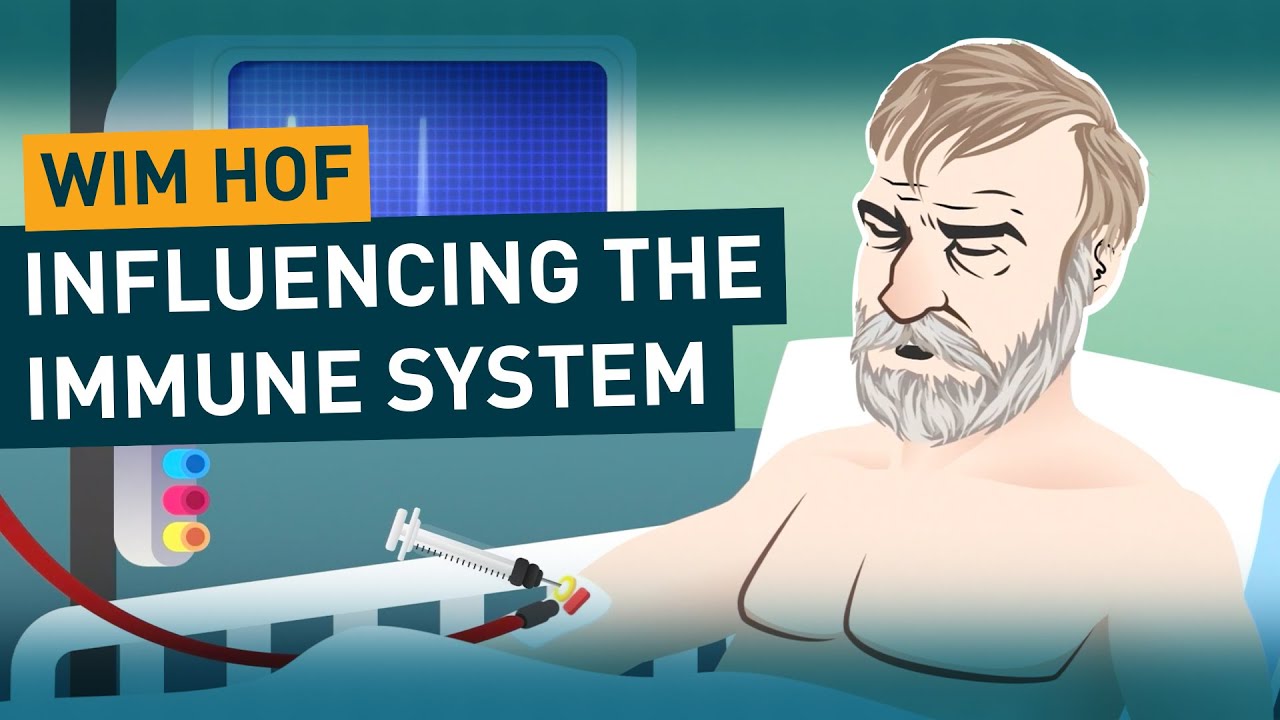
Scientifically proven for the first time: people can consciously influence their immune system (Radboud, 2014).

Breathing technique effective

Wim Hof Method breathing measurably alters CO₂/O₂ balance and influences the autonomic nervous system.

Cold reduces inflammation

Regular cold exposure demonstrably lowers inflammatory markers such as cytokine levels.

Measurable stress reduction

Cortisol levels and anxiety symptoms decrease significantly with regular Wim Hof Method practice.


Selected publications

Here you'll find a selection of relevant scientific papers and publications.

PNAS · 2014 · Radboud University Nijmegen

Voluntary activation of the sympathetic nervous system and attenuation of the innate immune response

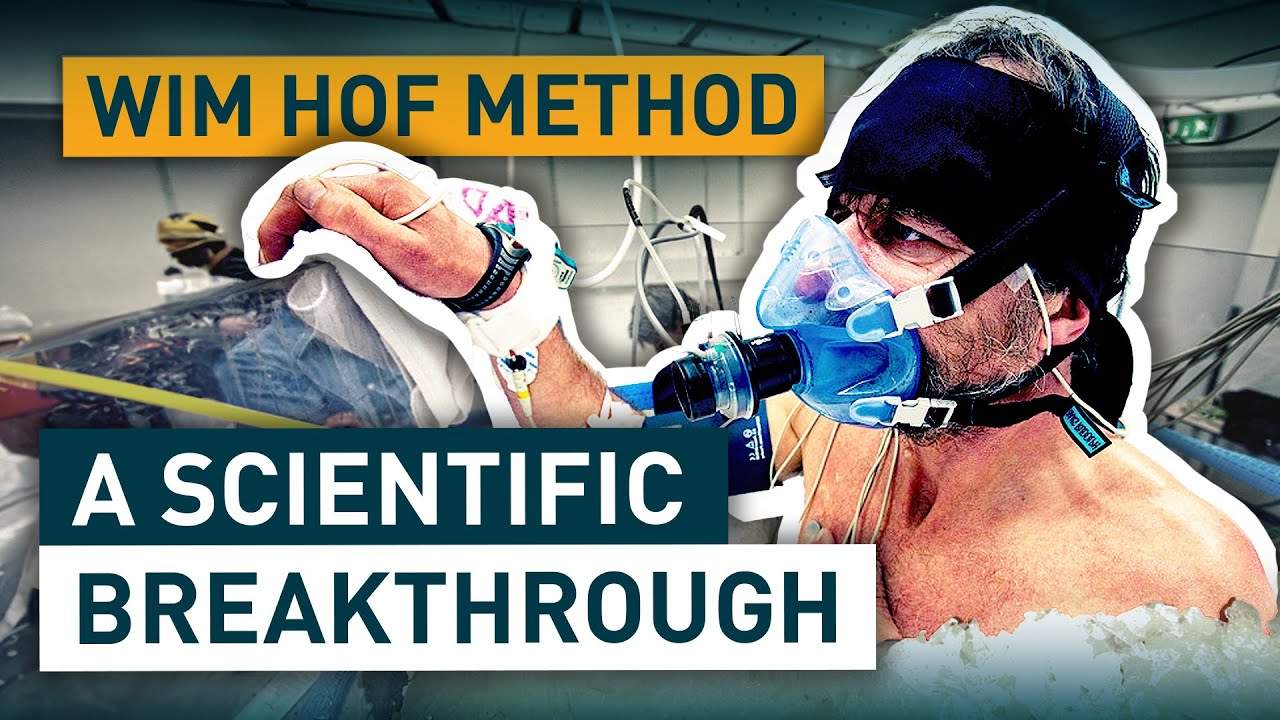
The groundbreaking study by Kox et al. demonstrated for the first time that trained individuals can voluntarily influence their immune system through a combination of breathing exercises, cold exposure and meditation. The Wim Hof Method group showed significantly lower inflammatory markers and fewer illness symptoms after injection of bacterial endotoxins.

Read study (pnas.org) ↗
Scientific Reports · 2018 · Nature

Influence of the Wim Hof Method on the brain and the autonomic nervous system

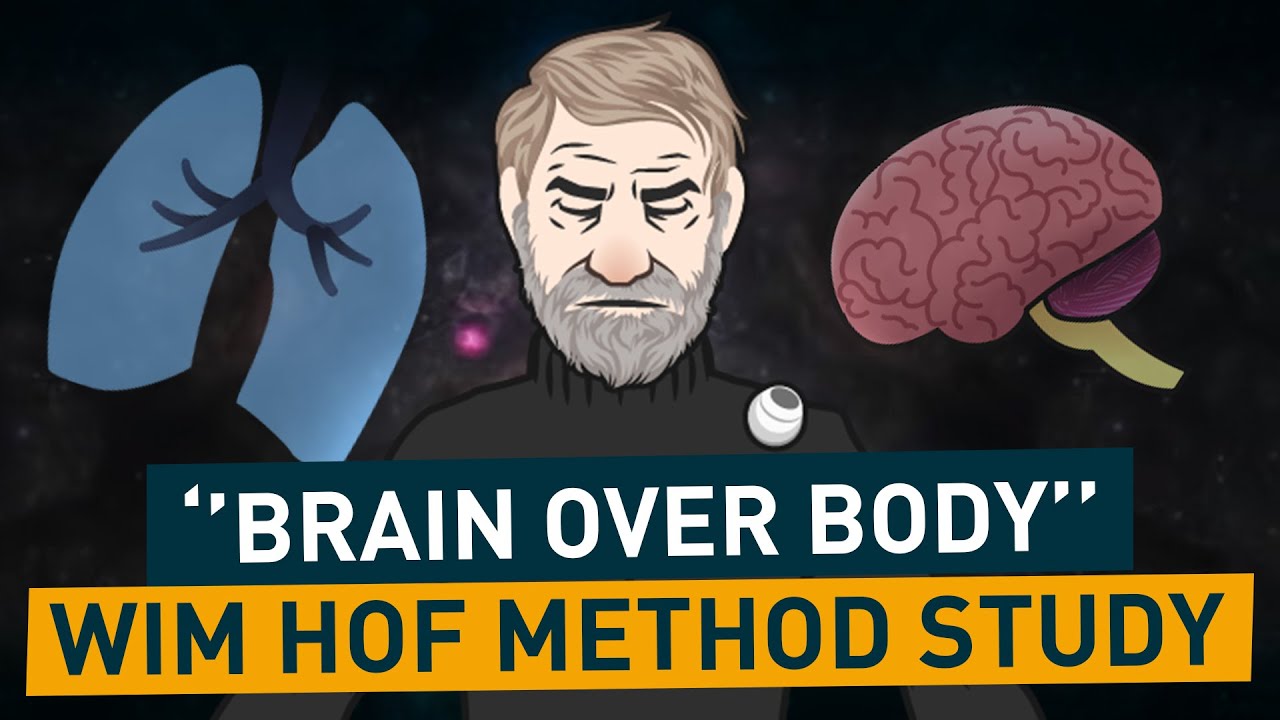
This study used fMRI to examine how Wim Hof Method breathing activates brain regions associated with stress regulation and autonomic control. The results suggest that breathing exercises directly affect pain perception and the stress system.

Read study (nature.com) ↗
Exploratory Study · Psychology & Cognition

The Cognitive, Psychological and Physical Effects of Wim Hof's Breathing Method: An Exploratory Study

An exploratory study examined the effects on cognition, emotion regulation and physical parameters. The results showed positive effects on concentration, mood and subjective well-being with regular practice of the Wim Hof Method.

Read study (researchgate.net) ↗
PubMed · Immunology

Wim Hof Method research overview – PubMed database

The scientific database PubMed lists several papers on the Wim Hof Method, including studies on inflammatory markers, cold therapy and immune response. A good starting point for your own research.

Open PubMed search ↗
Official Wim Hof Method research page

The science behind the Wim Hof Method (wimhofmethod.com)

The official Wim Hof Method website provides a clear overview of all relevant studies and research findings – including explanations of the mechanisms behind the method.

Visit research page ↗

Wim Hof Method under the scientific spotlight

Scientific reports, documentaries and research insights on the Wim Hof Method.

Wim Hof Method – Scientific Video 1
🎬 Documentary

Wim Hof Method – Video 1

Scientific insights into the effects of the Wim Hof Method.

Wim Hof Method – Scientific Video 2
🎬 Research

Wim Hof Method – Video 2

Research findings and expert assessments of the method.

Wim Hof Method – Scientific Video 3
🎬 Science

Wim Hof Method – Video 3

Further scientific perspectives on the Wim Hof Method.

Real testimonials

People who have experienced extraordinary changes in their lives through the Wim Hof Method.

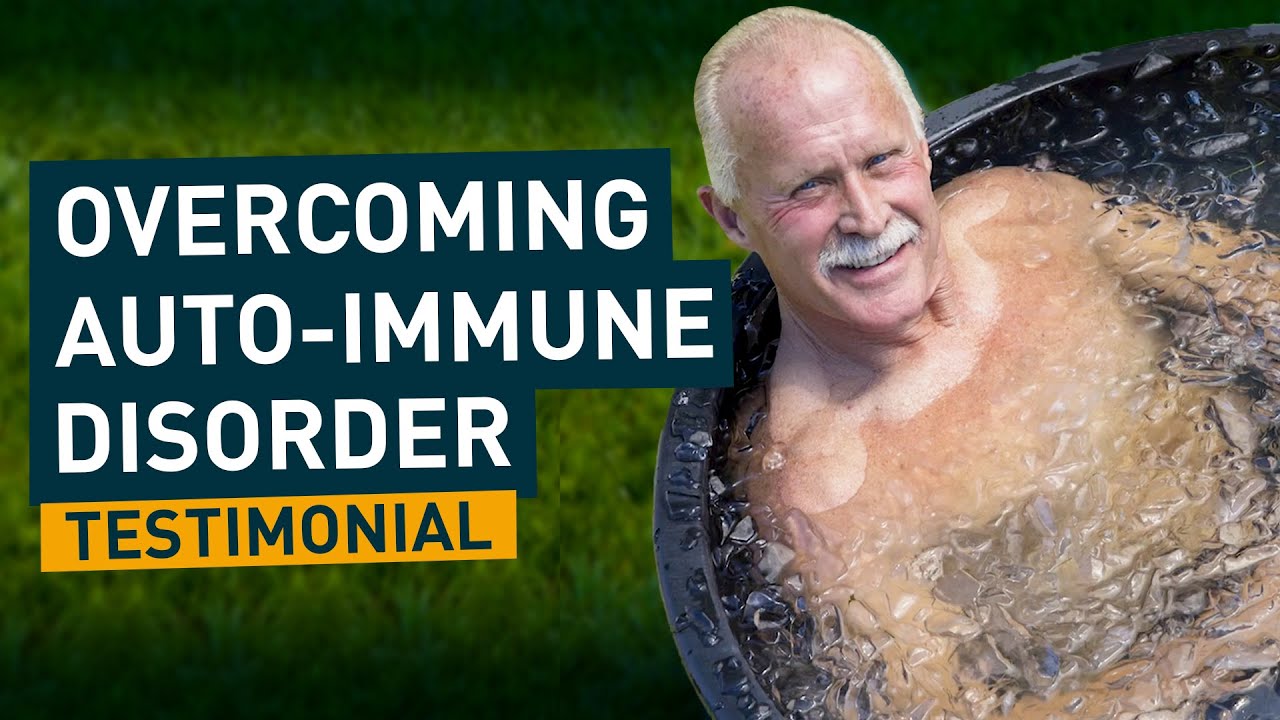
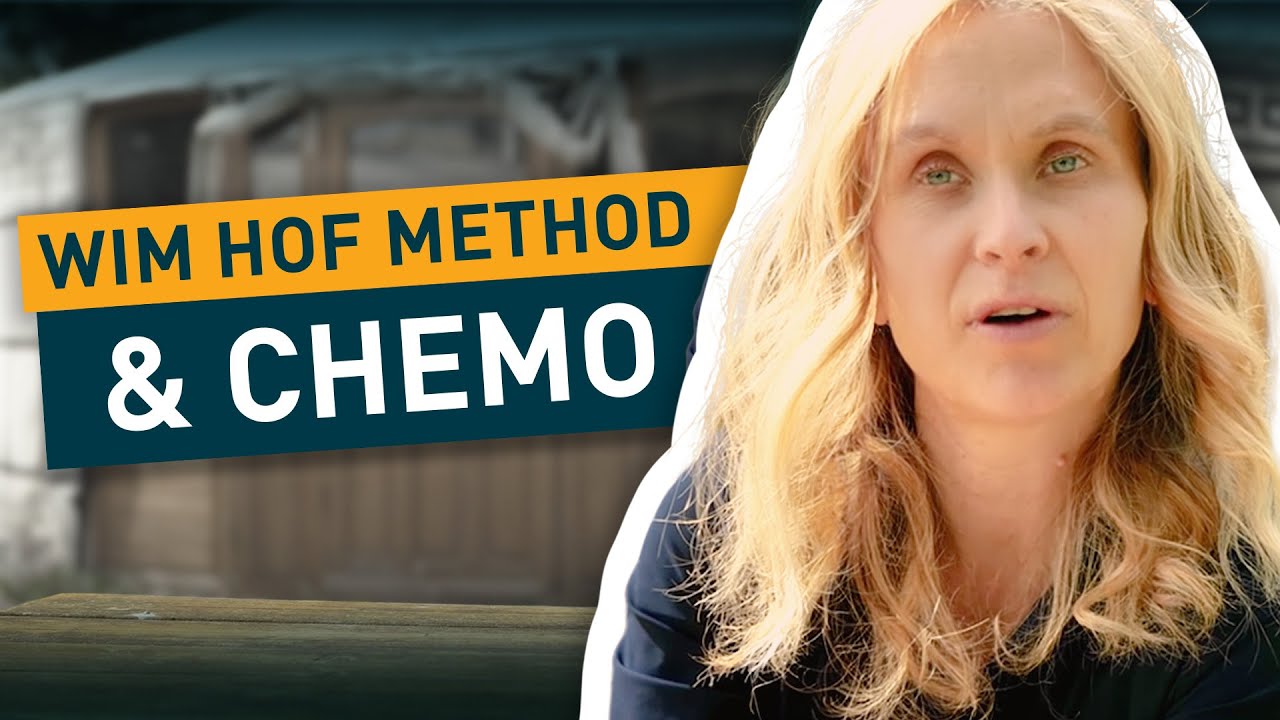
Cancer-free with the Wim Hof Method
⭐ Testimonial

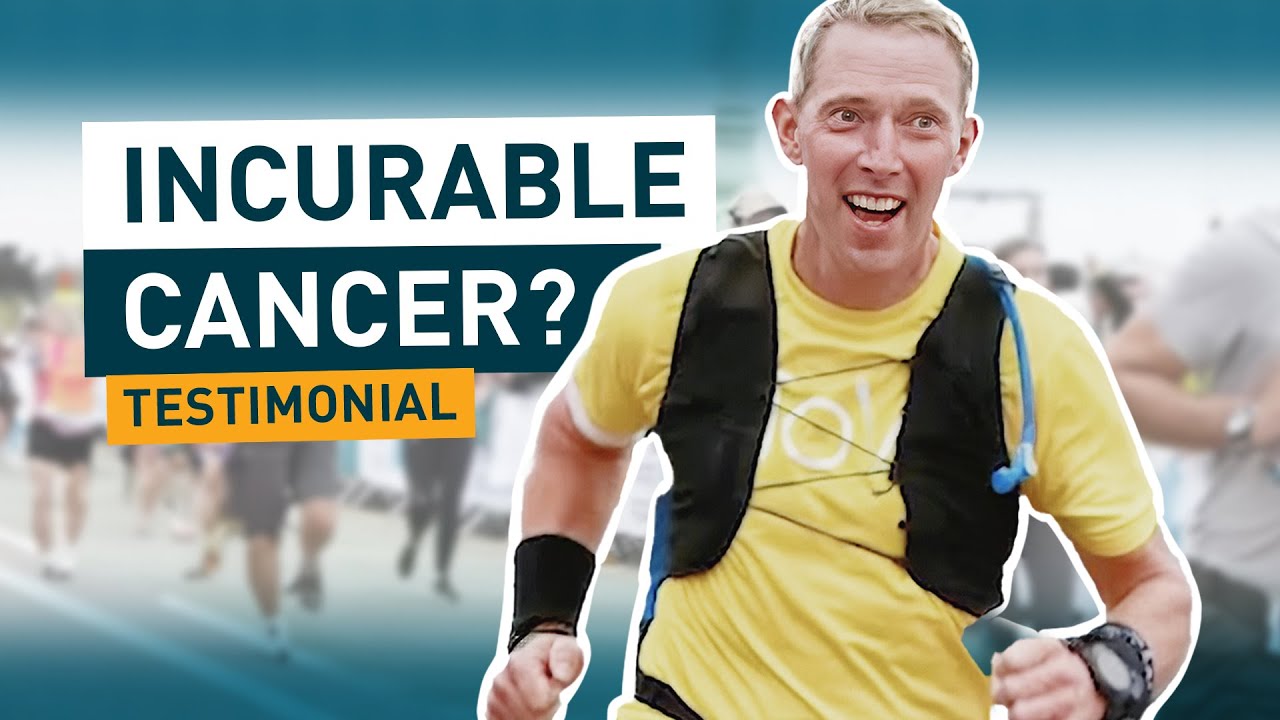
Cancer-free with the Wim Hof Method

A moving account of how the Wim Hof Method can change lives.

Transformation through cold and breathwork
⭐ Testimonial

Transformation through cold & breathwork

How cold exposure and breathwork have fundamentally changed one person's life.

Health & mental strength
⭐ Testimonial

Health & mental strength

A personal account of the transformative power of the Wim Hof Method.

Note: The studies linked here are for informational purposes only. The Wim Hof Method is not a medical treatment and does not replace a medical diagnosis or therapy. If you have any existing health conditions, always consult a doctor before starting intensive breathing or cold exercises.

Questions about the science behind WHM

Are there scientific studies on the Wim Hof Method? +

Yes. The most well-known study was published in 2014 in the Proceedings of the National Academy of Sciences (PNAS) by Radboud University Nijmegen. It showed that trained participants could voluntarily influence their autonomic nervous system and immune system – a finding previously considered impossible. Since then, further studies on inflammatory markers, stress regulation and mental health have been published.

What specifically does the Radboud study prove? +

The Radboud study (Kox et al., 2014) demonstrated that WHM-trained participants showed significantly lower inflammatory markers (TNF-alpha, IL-6) after an endotoxin injection and experienced hardly any symptoms – compared to the control group. This proved for the first time that voluntary immune system modulation is possible through breathwork and cold exposure.

Is the Wim Hof Method medically recognised? +

The WHM is not a medical therapy and does not replace medical treatment. The scientific studies demonstrate physiological effects (noradrenaline increase, immune modulation, stress reduction) – however, they are not yet sufficient to form the basis of medical guidelines. Always consult your doctor if you have existing health conditions.

What happens to noradrenaline and dopamine during ice bathing? +

Cold exposure (14 °C water) increases noradrenaline levels by over 500 % and dopamine levels by up to 250 % (Šrámek et al., 2000). Noradrenaline has an anti-inflammatory and mood-lifting effect; dopamine promotes motivation and focus. This hormonal response is a key reason for the subjective surge of energy felt after an ice bath.

How safe is the Wim Hof breathing exercise? +

When practised correctly, the WHM breathing exercise is safe. Important: never do the exercise in water, while driving or while standing, as consciousness can briefly become restricted. In my certified courses, the breathing technique is taught under professional supervision with full safety instructions.

From science to lived experience

In my workshops you bring the insights from research directly into your body – safe, guided and transformative.